Introduction
How long does BPC 157 take to work? There is no scientifically proven number of hours or days that applies to everyone. BPC-157 is an experimental peptide, and human research is still very limited. Most of the evidence comes from animal studies, while human studies are small and have important limits.
Some people online report noticing changes within days or weeks, but these reports are not enough to establish a reliable treatment timeline. Researchers still need larger, well-controlled human trials to find out whether BPC-157 works, how well it works, and how quickly any effects may appear.
This guide explains what BPC-157 is, what researchers have found so far, why the timeline is hard to predict, what may affect perceived results, and what beginners should know about safety.
Important: BPC-157 is not an FDA-approved medicine. FDA currently lists BPC-157 among bulk drug substances that may present significant safety risks and notes that available safety information is limited for proposed routes of administration.
Table of Contents
How Long Does BPC 157 Take to Work?
The most accurate answer is: there is no established human timeline for when BPC-157 starts working.
Research has not produced a dependable rule such as “BPC-157 works in 3 days” or “you should feel results after 2 weeks.” Human evidence remains too limited to support those claims. A 2025 systematic review found that the BPC-157 literature was dominated by preclinical studies, with only very limited clinical evidence.
The timeline may also depend on what someone expects BPC-157 to do. A person interested in pain relief may notice a different change from someone focused on tissue recovery or another goal.
Is there a typical BPC-157 timeline?
There is not enough good human evidence to define a typical timeline.
You may see websites or social media posts claiming that results happen within a few days, one week, or several weeks. Those numbers usually come from personal experiences, not from strong clinical trials.
That difference matters.
A personal story can tell you what one person experienced. It cannot prove that most people will have the same result.
Why do people report different timelines?
Recovery can change for many reasons, including:
- The type and severity of the injury
- How long the problem has been present
- Normal healing ability
- Activity level
- Sleep and nutrition
- Other treatments being used
- The actual quality and content of the product
- Individual differences between people
Because these factors can change at the same time, it can be difficult to say what caused an improvement.
What Is BPC-157?
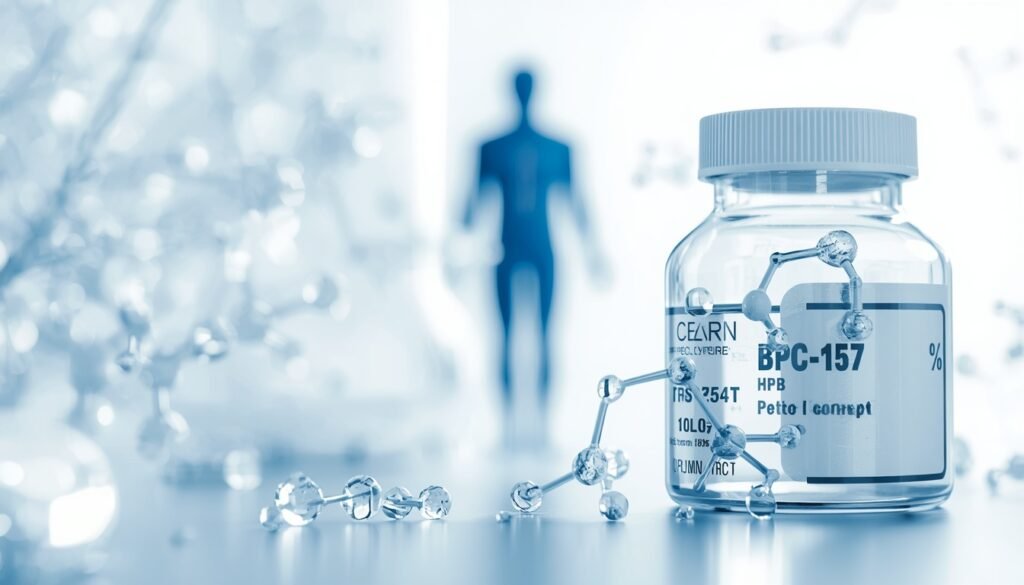
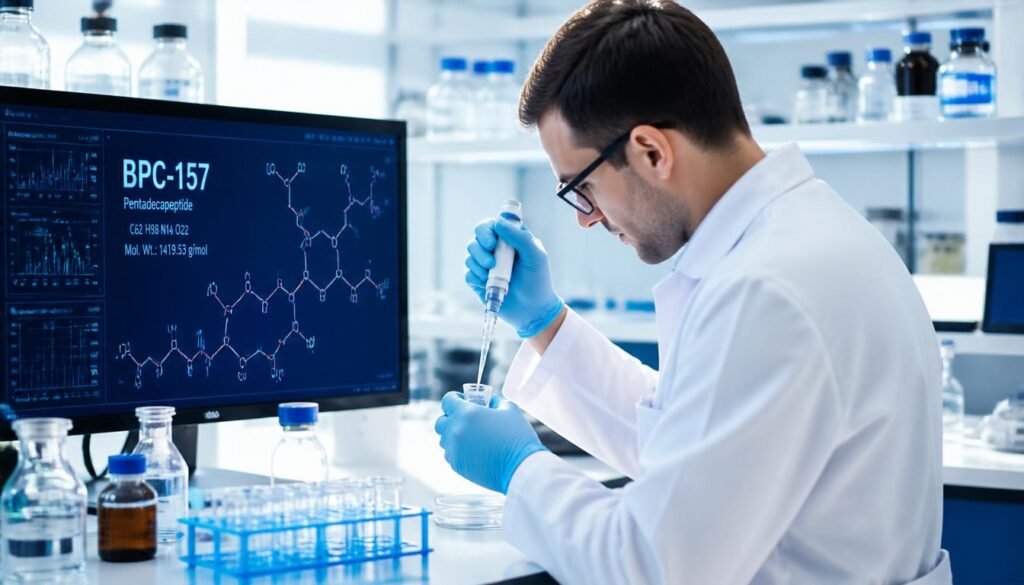
BPC-157, also called Body Protection Compound-157, is a synthetic peptide that has been studied mainly in laboratory and animal research.
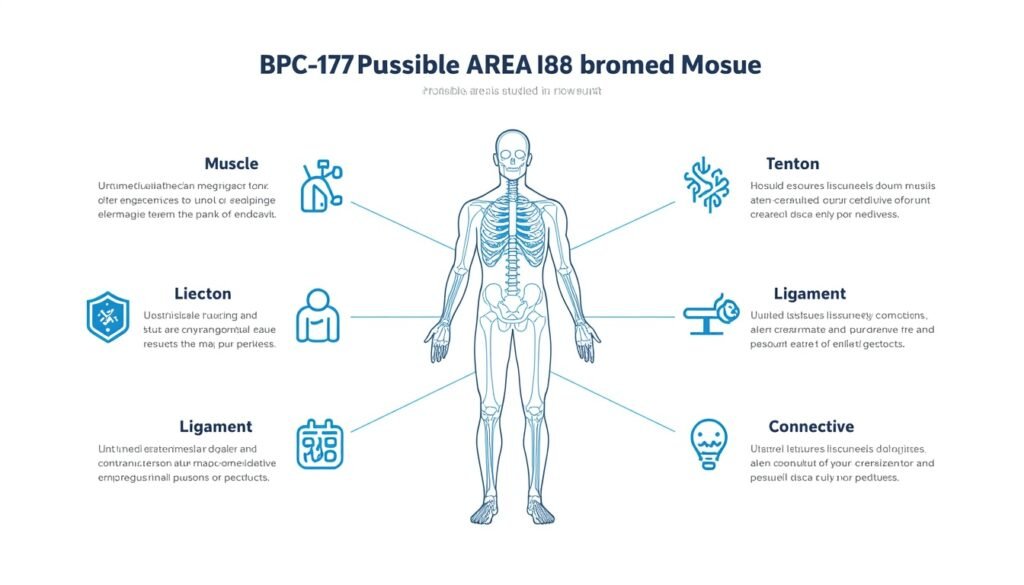
It is often described as a peptide connected with tissue repair, inflammation, and other biological processes. Researchers have studied it in models involving the stomach, muscles, tendons, ligaments, nerves, and other tissues. However, promising findings in animals do not automatically mean the same benefits occur in humans.
BPC-157 has become popular online because it is often marketed for recovery, injury healing, and pain. But its popularity is much larger than the amount of high-quality human evidence available.
A recent review published in 2026 concluded that BPC-157 remains an investigational peptide with major gaps in human pharmacokinetic, formulation, and clinical data.
How Does BPC-157 Work?
Researchers do not yet have a complete answer for how BPC-157 works in humans.
Laboratory and animal studies suggest that BPC-157 may affect several biological pathways linked with inflammation, blood vessel growth, cell signaling, and tissue repair. Research has also looked at pathways involving growth factors and signaling proteins.
However, a proposed mechanism is not the same as a proven medical effect.
In simple terms:
Scientists may have clues about what BPC-157 does in cells and animals, but they do not yet have enough human research to confidently explain how it produces a clinical benefit in people.
This is one reason it is difficult to answer questions such as “How long does BPC 157 take to work?” with a precise number.
Why animal studies are not enough
Animal studies are useful because they help researchers explore new ideas. But humans and laboratory animals are not the same.
An effect seen in an animal model may:
- Be weaker in humans
- Take a different amount of time
- Fail to appear in humans
- Work differently depending on the condition
That is why clinical trials are needed before researchers can make strong claims about safety, effectiveness, or timing.
What Research Says About BPC-157
The evidence base is interesting, but it is still early.
A 2025 systematic review of BPC-157 in orthopedic and sports medicine identified 36 studies, but 35 were preclinical and only 1 was a clinical study within its review criteria. The authors concluded that human evidence was extremely limited and that clinical safety data were lacking.
A 2025 review of the wider literature also found that only a few pilot studies had examined BPC-157 in humans.
What about human studies?
One retrospective study looked at people with different types of chronic knee pain. Twelve patients received BPC-157 alone as an injection into the knee, and 11 reported significant improvement in knee pain. However, the study was small, retrospective, and did not use strong controls or standardized measures of function and quality of life.
That means the result is interesting, but it does not prove that BPC-157 caused the improvement.
Another small 2025 pilot study evaluated intravenous BPC-157 in just two adults. The researchers reported no measured changes in several biomarkers and no reported side effects during the short study period. The authors also stated that more research is needed to confirm safety.
These studies are far too small to establish a general “BPC-157 takes X days to work” rule.
Potential Benefits of BPC-157
BPC-157 is often discussed for possible effects on tissue repair, inflammation, and musculoskeletal recovery.
Tissue repair
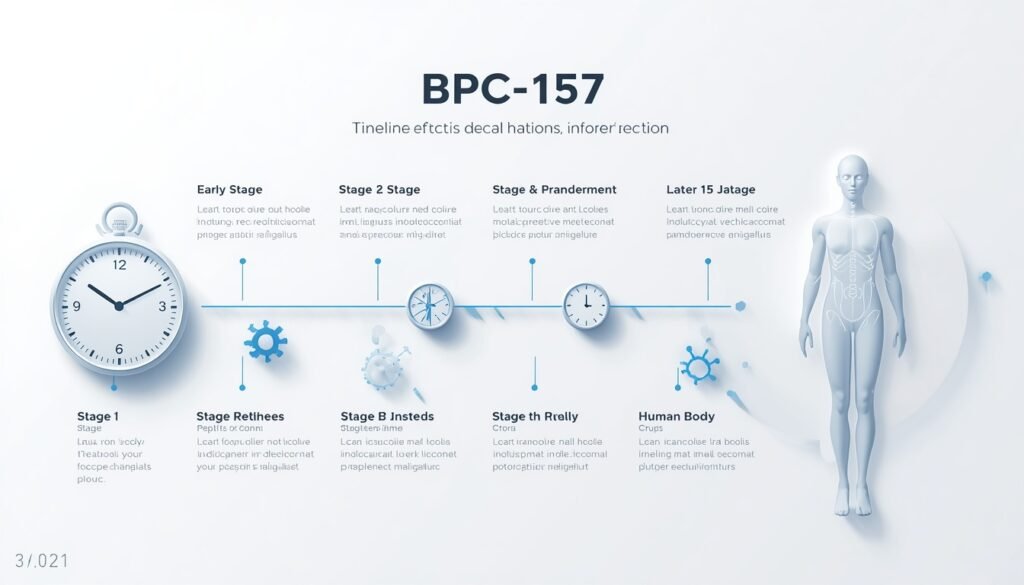
Animal studies have reported potentially helpful effects in models of muscle, tendon, ligament, and bone injury. Researchers believe some of these effects may involve blood vessel growth, cell signaling, and repair-related pathways.
But there is an important distinction:
Potential benefit does not mean proven treatment.
The evidence supporting these effects is much stronger in laboratory and animal settings than in humans.
Pain and discomfort
BPC-157 is also discussed online for pain relief.
The small knee-pain study reported improvement in many of the participants who received the peptide. However, because the study was retrospective and lacked strong controls, it cannot establish how much of the improvement came from BPC-157 itself.
Recovery from exercise or injury
Many online claims focus on faster recovery after exercise or injury.
At this point, there is not enough high-quality human evidence to say that BPC-157 reliably speeds athletic recovery or injury healing. Reviews continue to describe the human evidence as limited.
Why the BPC-157 Timeline Is Hard to Predict
Several important problems make the question “How long does BPC 157 take to work?” harder than it looks.
1. Human trials are limited
A drug timeline normally comes from clinical trials. Researchers measure when people improve, how many people improve, and how long benefits last.
BPC-157 does not yet have that kind of strong evidence base.
2. Different products may not be the same
BPC-157 products may come from nonstandard or unregulated sources.
FDA notes concerns about potential immunogenicity, peptide-related impurities, and active ingredient characterization for compounded BPC-157 products.
In simple terms, the product’s identity, purity, strength, and consistency can matter.
3. The condition matters
A mild problem and a serious injury do not heal at the same speed.
For example, someone with a minor strain may naturally feel better faster than someone with a long-standing tendon injury. That difference could be mistaken for a difference in how quickly a peptide works.
4. Symptoms can change before an injury is healed
Pain can improve before tissue fully recovers.
This is important because feeling better does not always mean that an injury is ready for hard exercise.
A person may have less pain while the underlying tissue still needs time to recover.
Signs People May Look For
People who are tracking a recovery often pay attention to changes such as:
- Lower pain levels
- Less stiffness
- Better movement
- Better tolerance for normal daily activity
- Improved ability to train or exercise
- Reduced discomfort after activity
However, none of these changes proves that BPC-157 caused the improvement.
Recovery can happen naturally, especially with rest, physical therapy, better sleep, reduced training load, or treatment for the underlying problem.
That is why it is better to measure progress carefully rather than relying on a single feeling.
A Practical Way to Track Recovery
Instead of asking only, “How long does BPC 157 take to work?” use a simple recovery log.
Step 1: Record the starting point
Write down:
- Your main symptom
- Where you feel it
- Your pain level
- What movements make it worse
- What activities you can currently do
For example:
Knee pain: 6/10
Walking: okay
Stairs: painful
Squatting: limited
Step 2: Track the same things over time
Check the same activities regularly.
Do not change five things at once and then assume one treatment caused the improvement.
Step 3: Look for trends
A single good day does not tell you much.
A longer pattern is more useful.
For example:
Week 1: pain 6/10
Week 2: pain 5/10
Week 3: pain 4/10
Even this pattern still does not prove what caused the change, but it gives you a clearer picture of progress.
Step 4: Do not use pain alone
Also track:
- Range of motion
- Strength
- Daily activity
- Exercise tolerance
- Sleep disruption
- Swelling, when relevant
This gives a better overall picture than a single pain score.
Common Mistakes About BPC-157
Mistake 1: Believing a fixed timeline
A common online claim is that BPC-157 “starts working” after a specific number of days.
There is no strong human evidence supporting one universal timeline.
Mistake 2: Treating animal research like human clinical proof
A positive animal study can be a useful early signal.
It is not the same as a successful human clinical trial.
Mistake 3: Assuming pain relief means full healing
Less pain does not always mean the tissue has fully recovered.
Returning to intense activity too quickly can still cause problems, depending on the injury.
Mistake 4: Trusting marketing claims
Online sellers may describe BPC-157 as a powerful healing treatment.
Marketing language is not a substitute for clinical evidence.
Mistake 5: Ignoring product quality
FDA has raised concerns about the quality and safety of compounded BPC-157, including peptide impurities and uncertainty about whether certain products may harm humans.
Mistake 6: Assuming “natural” means safe
BPC-157 is often described online as a substance related to a gastric protein fragment, but that does not make every product or route of administration safe.
Safety must be established through proper studies.
BPC-157 Safety and Regulatory Status
This is one of the most important parts of the topic.
Is BPC-157 FDA approved?
No. BPC-157 is not an FDA-approved medicine.
A 2026 FDA advisory committee document states that BPC-157 is not a component of an approved product in any country and notes that it is sold online in forms including capsules, sprays, and injectable products.
FDA also currently lists BPC-157 among substances that may present significant safety risks when considered for compounding. The agency says available safety information is limited and raises concerns including immunogenicity and peptide-related impurities.
Is BPC-157 banned in sports?
BPC-157 is prohibited under the World Anti-Doping Agency’s rules.
WADA lists BPC-157 under the S0 category for non-approved substances prohibited at all times.
Athletes who are subject to anti-doping rules should check their governing body’s current requirements before using any experimental substance.
Why does product quality matter?
FDA explains that compounded drugs are not FDA-approved and are not reviewed in the same way for safety, effectiveness, and quality before marketing. Poor compounding can result in contamination or an incorrect amount of active ingredient.
For an experimental peptide, uncertainty about product quality adds another layer of risk.
Does a Short Half-Life Mean BPC-157 Works Quickly?
Not necessarily.
A recent 2026 review reported that available pharmacokinetic information suggests a short plasma half-life in preclinical work, while also pointing out a major disconnect between how quickly the substance may leave the blood and how long biological effects might last.
This is an important scientific idea.
How long a substance remains measurable in the blood is not automatically the same as how long a biological effect lasts.
So, a short half-life cannot be used to say, “BPC-157 should work within 30 minutes,” for example.
There is simply not enough human evidence for that conclusion.
What Should Beginners Understand About BPC-157?
For beginners, the most useful points are simple:
- BPC-157 is experimental.
- There is no proven universal timeline for when it starts working.
- Most evidence comes from animal and laboratory studies.
- Human studies are small and limited.
- BPC-157 is not FDA-approved.
- Product quality can be a concern.
- BPC-157 is prohibited by WADA.
- Online personal reports should not be treated as clinical proof.
The biggest mistake is looking for a precise number when the research does not support one.
Frequently Asked Questions
How long does BPC 157 take to work?
There is no scientifically established human timeline for when BPC-157 begins to work. Human research is too limited to say that most people will notice an effect after a specific number of hours or days.
How long does BPC 157 take to work for injuries?
There is no reliable human timeline for injury recovery with BPC-157. Animal studies have reported effects in models of muscle, tendon, ligament, and bone injury, but these findings cannot be directly converted into a human recovery schedule.
Can BPC-157 work within a few days?
It is possible to find personal reports claiming fast results, but these stories do not establish a scientifically proven timeline. Controlled human trials are needed before researchers can say how quickly BPC-157 produces meaningful effects.
Does BPC-157 work immediately?
There is no strong human evidence showing that BPC-157 produces a predictable immediate effect. The available research does not support a universal onset time.
How does BPC-157 work?
Laboratory and animal research suggests that BPC-157 may influence pathways related to inflammation, blood vessel growth, tissue repair, and cell signaling. However, its exact clinical action in humans is still uncertain.
What are the benefits of BPC-157?
Potential benefits reported in preclinical research include effects related to tissue repair, inflammation, and musculoskeletal recovery. However, strong evidence showing these benefits in humans is still lacking.
Is BPC-157 safe?
Its long-term safety in humans has not been established. FDA currently highlights limited safety information and potential risks related to immunogenicity and peptide impurities for compounded BPC-157.
Is BPC-157 FDA approved?
No. BPC-157 is not an FDA-approved medicine. FDA has also identified it as a bulk drug substance that may present significant safety risks when considered for compounding.
Is BPC-157 legal in sports?
BPC-157 is prohibited by the World Anti-Doping Agency under its S0 category for non-approved substances.
Why do people say BPC-157 works quickly?
Most fast-timeline claims come from personal experiences, marketing, or interpretation of early research. These sources are not strong enough to define a reliable medical timeline for humans.
What should I do if an injury is not improving?
A persistent or worsening injury deserves proper medical evaluation. A healthcare professional can help determine the actual cause of the problem and whether treatment such as rest, physical therapy, medication, imaging, or another approach is appropriate.

Final Takeaway: How Long Does BPC 157 Take to Work?
So, how long does BPC 157 take to work? The honest answer is that science does not yet provide a dependable human timeline.
BPC-157 is an experimental peptide with promising preclinical findings, especially in studies involving tissue repair and musculoskeletal problems. But human evidence remains small, early, and limited.
There is also an important safety issue. BPC-157 is not FDA-approved, FDA has raised concerns about its safety and quality when used in compounded products, and WADA prohibits it for athletes under its anti-doping rules.
For that reason, it is better to avoid promises such as “BPC-157 works in three days” or “you will recover in two weeks.” Those claims go beyond what current human research can prove.
The most trustworthy answer is simple: BPC-157 may have biological effects, but we still do not know exactly how quickly it works in humans or whether its proposed benefits are truly effective and safe.